The Influence of Cognitive Biases
Cognitive biases play a significant role in shaping a player’s decision-making processes when engaging with casino games. One of the most prevalent biases is the illusion of control, where players believe they can influence outcomes in games of chance, such as slots or roulette. This belief can lead them to make riskier bets or play longer than they initially intended, driven by the thrill of potential wins. Additionally, players often turn to the best crypto casinos to enhance their gaming experiences.
Another important cognitive bias is the gambler’s fallacy, which leads players to wrongly assume that past outcomes will affect future results. For example, a player may believe that a slot machine is “due” for a payout after a series of losses. Such misconceptions can create a cycle of continued play, even when statistics suggest otherwise, demonstrating how psychological factors can override logical reasoning.
The Role of Emotion in Game Selection
Emotion significantly impacts how players choose their games and the amounts they wager. Many players are drawn to games that evoke excitement, such as poker or blackjack, where skill and strategy can enhance the gaming experience. These emotions often drive players toward social interactions that can elevate their enjoyment and, consequently, their commitment to these games.
Conversely, some players may gravitate toward less emotionally charged games like slots, where the thrill comes from spinning the reels and the anticipation of winning. These players often seek out games that provide escapism or relaxation, highlighting the importance of emotional connection in game choice and play behavior.
The Impact of Social Influences
Social dynamics can heavily influence a player’s choice of games and their overall behavior in a casino environment. Many players thrive in social settings where they can interact with others, share experiences, and compete in friendly environments. This social aspect can lead to preferences for table games where interaction is inherent, such as poker or craps, over solitary options like slots.
Moreover, the presence of peers can create a sense of accountability and excitement, motivating players to engage more deeply with their selected games. The shared experiences among players can amplify enjoyment and even influence betting behavior, revealing how social contexts play a crucial role in gaming choices.
The Effect of Casino Design and Game Presentation
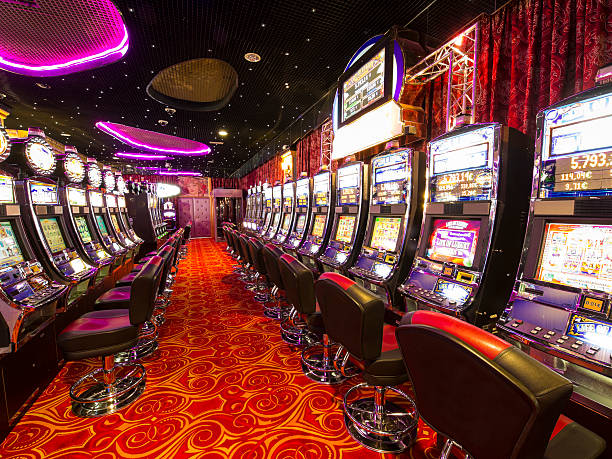
The design of a casino and how games are presented can heavily influence player behavior. Casinos often employ colorful lights, sounds, and layouts that create an immersive experience, making it difficult for players to leave. This strategic design encourages prolonged play and helps to foster an environment where players may feel more inclined to take risks.
Furthermore, the placement of games is meticulously planned to attract attention and draw players in. High-stakes tables may be positioned prominently to entice risk-takers, while slot machines are often placed near pathways, creating accessibility. This deliberate arrangement highlights the casino’s understanding of the psychological mechanisms that drive player behavior.
Conclusion: Understanding Player Behavior for Enhanced Experiences
Understanding the psychology behind casino game choices and player behavior is crucial for both players and operators. Players who are aware of their cognitive biases and emotional drivers can make more informed decisions, enhancing their overall experience. For casino operators, recognizing these psychological patterns can lead to better game offerings and more engaging environments.
Ultimately, the interplay between psychology and gaming is a fascinating area that reveals much about human behavior. Recognizing how these factors influence choices can lead to more satisfying experiences in the exhilarating world of casinos, ensuring a more enjoyable journey for all players.